Evaluating the Meerkat 3D Cracked Hole Tumbler Wrap 3 for Sublimation Projects
In the competitive landscape of custom drinkware, standing out requires more than just standard patterns or solid colors. Consumers are increasingly drawn to designs that offer depth, texture, and a sense of realism without the physical weight of actual 3D elements. This is where digital assets like the Meerkat 3D Cracked Hole Tumbler Wrap 3 become significant tools for creators. This specific design file represents a shift toward high-fidelity, illusion-based graphics that transform a flat 20 oz skinny tumbler into a piece that appears to have tangible dimension. For sublimation professionals and serious hobbyists, understanding the technical nuances and practical applications of such a file is essential before integrating it into a production workflow.
The Illusion of Depth in Digital Sublimation
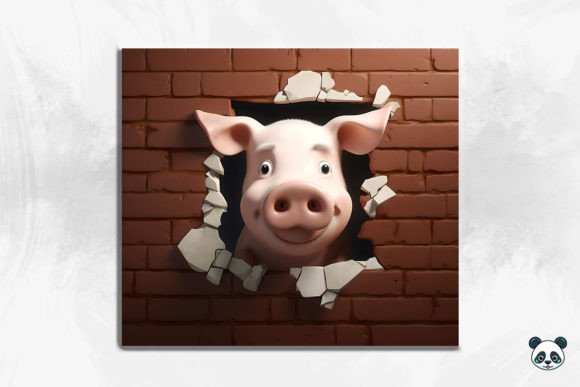
The core appeal of the Meerkat 3D Cracked Hole Tumbler Wrap 3 lies in its ability to simulate a "cracked hole" effect. Unlike traditional watercolor or flat vector illustrations, this design utilizes shading, perspective, and layering techniques to create an optical illusion. When printed and applied correctly, the graphic suggests that the surface of the tumbler has been fractured to reveal the subject—a meerkat—emerging from within or peering through a breach in the material. This technique taps into a psychological preference for tactile visuals; even though the cup remains smooth to the touch, the brain interprets the visual cues as depth.
From a technical standpoint, achieving this look requires a source image with exceptional resolution and dynamic range. The file in question is provided as a PNG at 300 DPI, with dimensions of approximately 9.3 inches by 8.2 inches. This resolution is critical. In sublimation printing, anything below 300 DPI risks appearing pixelated or soft when transferred to polyester-coated surfaces, especially on curved items like tumblers where distortion can occur during the heating process. The 9.3 x 8.2 inch sizing is specifically calibrated for the standard 20 oz skinny tumbler, accounting for the necessary overlap to ensure a seamless wrap without unsightly gaps or misaligned seams.
Technical Specifications and File Usability
For those managing a digital inventory or preparing files for immediate production, the format and structure of the download matter. This asset is delivered as an instant digital download in a ZIP file containing a single high-quality PNG. The choice of PNG over JPEG is deliberate and advantageous for this type of work. PNG supports lossless compression, ensuring that the fine details of the "cracked" edges and the fur texture of the wild animal remain crisp. Furthermore, if the design includes transparent areas (though often these wraps are full bleed), PNG handles transparency better than other formats, allowing for easier manipulation in design software like Adobe Photoshop, Illustrator, or Canva.
The dimensions provided (9.3" x 8.2") serve as a reliable baseline, but experienced printers know that calibration is key. Different sublimation printers and heat presses may introduce slight variances in shrinkage or expansion. Therefore, while the file is ready-to-use, it is prudent to print a test sheet on plain paper first. Wrap this test print around your specific blank tumbler to verify the alignment of the seam and the placement of the focal point—the meerkat. This step prevents wasted substrates and ink, a crucial consideration for small business owners operating on thin margins.
Design Aesthetics and Market Appeal
The subject matter—a wild animal rendered in a semi-realistic, 3D style—targets a specific demographic within the custom gift market. Wildlife imagery consistently performs well, appealing to nature enthusiasts, zoo lovers, and those who appreciate safari-themed decor. However, the addition of the "cracked hole" element elevates the design from a simple picture to a conversation piece. It adds an element of surprise and edginess that flat watercolor backgrounds often lack.
This particular design balances the ruggedness of the cracked effect with the natural charm of the meerkat. The background elements are designed to be seamless, meaning that if the wrap is slightly shifted during application, the pattern continues without jarring interruptions. This flexibility is vital for manual application processes where perfect alignment can sometimes be challenging. The color palette likely leans towards earth tones and natural hues, which are generally safe bets for mass appeal, avoiding polarizing neon or overly abstract color schemes that might limit the customer base.
Practical Workflow Integration
Integrating the Meerkat 3D Cracked Hole Tumbler Wrap 3 into a business workflow is straightforward, provided the user has the necessary hardware and software knowledge. Since this is a digital-only product, there are no physical shipping delays or inventory storage issues. Upon purchase, the file is available immediately, allowing for on-demand production. This model supports a lean business strategy where items are only created once an order is placed, reducing waste and upfront capital investment.
To utilize this file effectively, the creator needs a sublimation printer capable of handling high-resolution graphics, sublimation ink, and 20 oz skinny tumbler blanks with a polyester coating. The process involves mirroring the image horizontally before printing—a standard requirement for sublimation to ensure the final result reads correctly on the curved surface. After printing, the transfer paper is wrapped tightly around the tumbler, secured with heat-resistant tape, and pressed according to the blank manufacturer's time and temperature specifications. The quality of the final product will depend heavily on the consistency of the heat press and the quality of the blank, not just the digital file itself.
Limitations and Considerations
While the Meerkat 3D Cracked Hole Tumbler Wrap 3 offers significant creative potential, it is not without limitations that buyers should acknowledge. First and foremost, this is a digital asset; it does not include the physical tumbler or the printed product. Users must possess the technical skills to operate sublimation equipment. For a complete novice, there is a learning curve associated with color management, heat pressing, and handling the materials.
Additionally, the "3D" effect is purely visual. Customers unfamiliar with sublimation products might mistakenly expect a textured surface. Clear communication in product listings is essential to manage expectations. Sellers should explicitly state that the tumbler will be smooth to the touch despite the visual depth of the design. Furthermore, the fixed size of 9.3 x 8.2 inches means this specific file is optimized for 20 oz skinny tumblers. Attempting to stretch this image to fit a 30 oz tumbler or a mug would result in significant quality degradation and distortion, necessitating the purchase of different file sizes for different product lines.
Who Benefits Most from This Asset?
This design is particularly valuable for Etsy sellers, craft fair vendors, and print-on-demand entrepreneurs looking to expand their catalog with unique, eye-catching items. It is also suitable for educators or community organizers creating themed merchandise for wildlife conservation fundraisers or zoo events. The specificity of the "meerkat" theme allows for targeted marketing campaigns, while the high-quality 3D rendering ensures the product looks premium compared to generic clip-art alternatives.
For freelance designers, acquiring such licensed assets can save hours of illustration time. Creating a realistic 3D cracked effect from scratch requires advanced proficiency in digital painting and lighting simulation. By leveraging a pre-made, professional-grade file, creators can focus their energy on marketing, customer service, and expanding their product range rather than getting bogged down in complex graphic design tasks.
Final Verdict on Utility and Value
The Meerkat 3D Cracked Hole Tumbler Wrap 3 stands out as a robust resource for anyone involved in the sublimation industry. Its strength lies in the combination of high-resolution output, a trendy and engaging visual concept, and the convenience of an instant digital format. While it demands a certain level of technical competency to execute properly, the payoff is a finished product that commands attention and potentially higher price points due to its perceived complexity.
Ultimately, the value of this file is realized in its application. It transforms a commodity item—a standard metal tumbler—into a personalized piece of art. For businesses aiming to differentiate themselves in a saturated market, investing in distinctive, high-quality designs like this is a strategic move. As long as the user respects the technical requirements of sublimation printing and manages customer expectations regarding the digital nature of the purchase, this asset serves as a reliable component of a profitable and creative product lineup.