Integrating the Sea Otter from Cracked Hole 3D Tumbler 1 Design into Your Sublimation Workflow
In the competitive landscape of custom drinkware production, the difference between a standard product and a best-seller often lies in the quality and uniqueness of the digital assets employed. The Sea Otter from Cracked Hole 3D Tumbler 1 represents a specific tier of sublimation design that bridges the gap between flat illustration and immersive visual storytelling. For entrepreneurs, hobbyists, and small business owners operating in the print-on-demand or handmade goods sector, understanding how to integrate this specific 20 oz skinny tumbler wrap into a broader production workflow is essential for maintaining efficiency and ensuring high-quality outcomes.
This design is not merely a static image; it is a pre-engineered component designed to fit the precise dimensions of a 20 oz skinny tumbler. By utilizing a file that is already sized at 9.3 inches by 8.2 inches with a resolution of 300 DPI, creators can bypass the often tedious and error-prone stage of manual resizing and canvas setup. This allows the focus to shift immediately to material preparation, color profiling, and the physical application process, streamlining the path from digital download to finished physical product.
Pre-Production Planning and Asset Management
Effective workflow management begins before the printer even warms up. When you acquire the Sea Otter from Cracked Hole 3D Tumbler 1 instant digital download, the first step in your process should be organized asset management. Because this file is delivered as a high-resolution PNG within a ZIP archive, it is crucial to establish a consistent filing system. Store the file in a dedicated directory for "Skinny Tumbler Wraps" or "Sea Animal Designs" to ensure rapid retrieval during future production runs.
The 300 DPI specification is a critical factor in your planning phase. In sublimation printing, resolution directly correlates to the sharpness of the final transfer. A lower resolution might appear acceptable on a computer monitor but will result in pixelation when printed on physical media. By starting with a file that meets industry-standard print resolution, you eliminate the risk of quality control failures later in the process. This reliability allows you to confidently schedule production batches, knowing that the digital source material will not be a bottleneck.
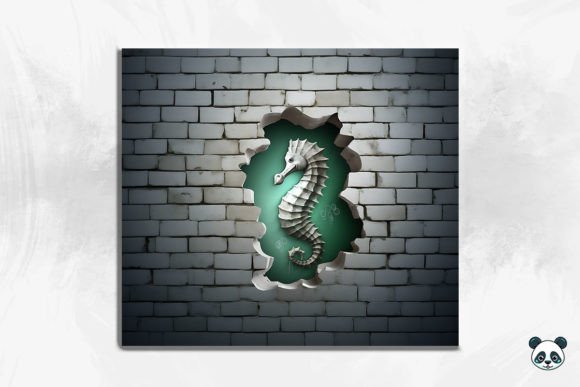
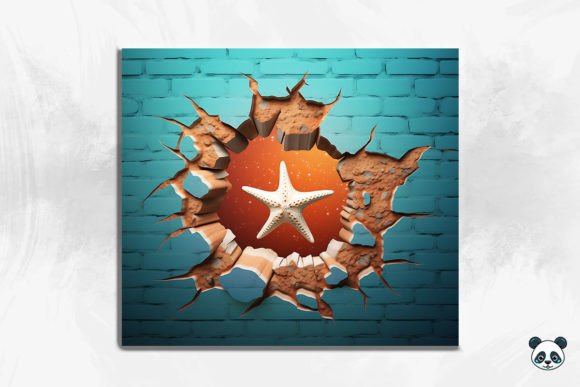
Furthermore, understanding the nature of the "cracked hole" 3D effect is vital for material selection. This design utilizes depth and shadow to create an illusion of the sea otter emerging from or interacting with a textured background. To maximize this effect, your choice of sublimation paper and ink profile becomes paramount. High-yield sublimation papers that minimize ink bleed are recommended to preserve the crisp edges of the 3D elements, ensuring the watercolor textures of the sea animal remain distinct against the background pattern.
Execution: Printing and Heat Press Integration
Once the digital asset is secured and organized, the workflow moves to the execution phase. The Sea Otter from Cracked Hole 3D Tumbler 1 wrap is specifically formatted for a straight tumbler, which simplifies the alignment process compared to curved or tapered vessels. However, successful implementation requires attention to the interaction between the digital file and your hardware settings.
When sending the 9.3 x 8.2 inch PNG to your printer, ensure that your print settings are configured to "Actual Size" or "100% scale." Many design software applications default to "Fit to Page," which can subtly alter the dimensions, leading to gaps or overlaps when wrapping the tumbler. Since this design is intended for a seamless look, precise scaling is non-negotiable. Additionally, mirror the image horizontally before printing. This is a fundamental rule of sublimation; failing to mirror the design will result in reversed text or unnatural orientations once applied to the tumbler.
The "3D" aspect of this design relies heavily on color vibrancy and contrast. During the printing process, perform a test strip if you are using a new batch of ink or paper. The watercolor style of the sea animal background requires a printer profile that can accurately reproduce soft gradients without banding. If the colors appear washed out in the test print, adjust your saturation and contrast settings slightly before committing to the full run. This proactive quality control step ensures that the depth of the cracked hole effect translates effectively from the screen to the substrate.
During the heat press stage, the workflow shifts to precision timing and temperature control. For a 20 oz skinny tumbler, the standard pressure and time settings must be adjusted to account for the specific coating of the blank. The seamless nature of the Sea Animal 3D seamless pattern means that any misalignment during the wrapping of the sublimation paper will be immediately visible. Use high-temperature heat-resistant tape to secure the paper tightly against the tumbler, ensuring there are no air pockets that could cause ghosting or blurring of the intricate 3D details.
Post-Production Quality Control and Product Positioning
After the cooling phase, the evaluation of the final product is where the value of the initial digital asset becomes most apparent. A well-executed transfer of the Sea Otter from Cracked Hole 3D Tumbler 1 should display a continuous, uninterrupted image where the seam is virtually invisible. Inspect the tumbler under good lighting to check for any color shifts or uneven coverage, particularly in the darker areas of the 3D background which are prone to showing inconsistencies if the heat press pressure was uneven.
From a business perspective, this design fits strategically into product lines targeting nature enthusiasts, marine life advocates, and customers seeking unique, artistic drinkware. The watercolor aesthetic combined with the 3D illusion offers a premium feel that justifies a higher price point compared to generic, flat clip-art designs. When photographing the finished product for marketing materials or online listings, leverage the 3D elements by capturing angles that highlight the depth of the design. This visual storytelling can significantly enhance conversion rates on e-commerce platforms.
Moreover, the versatility of this asset extends beyond single-unit production. Because the file is a digital download, it can be reused indefinitely for multiple orders, making it a scalable resource for growing businesses. You can integrate this design into seasonal collections, bundle it with matching coasters or keychains using similar sea animal themes, or offer it as a limited-edition item to drive urgency. The consistency provided by using a fixed digital template ensures that every unit produced maintains the same high standard, fostering brand reliability.
Optimizing Long-Term Workflow Efficiency
Incorporating assets like the Sea Otter from Cracked Hole 3D Tumbler 1 into your routine is about more than just printing a picture; it is about building a repeatable, efficient system. By relying on pre-sized, high-resolution files, you reduce the time spent on technical adjustments and increase the time available for creative expansion and customer engagement. This shift in focus is crucial for freelancers and small business owners who must wear multiple hats.
Consider creating a checklist for each production run that includes verification of the digital file version, printer calibration status, and heat press parameters. This systematic approach minimizes human error and ensures that the unique characteristics of the 3D design are consistently preserved. Over time, this discipline leads to reduced waste, lower material costs, and a more professional end product.
Ultimately, the success of using specialized sublimation designs lies in the seamless integration of digital resources with physical craftsmanship. The Sea Otter from Cracked Hole 3D Tumbler 1 serves as a prime example of how a well-constructed digital asset can elevate a standard manufacturing process into a creative endeavor. By respecting the technical specifications of the file, adhering to best practices in printing and pressing, and strategically positioning the final product, creators can maximize both the aesthetic appeal and the commercial viability of their sublimation projects.