Mastering Sublimation: A Complete Guide to the Fox 3D Cracked Hole Tumbler Wrap Design
In the rapidly evolving world of custom merchandise and DIY crafting, sublimation printing has emerged as a cornerstone technology for creators, small business owners, and hobbyists alike. Among the vast array of designs available for digital download, the Fox 3D Cracked Hole Tumbler Wrap stands out as a prime example of how modern graphic design intersects with physical product customization. This article explores the intricacies of this specific design, explaining what it is, why it matters in the current market, and how enthusiasts can utilize these digital assets to create stunning, professional-grade 20 oz skinny tumblers.
Understanding the Core Concept: What is a Sublimation Wrap?
At its most fundamental level, a sublimation wrap is a digital image file designed to be printed onto special transfer paper and then heat-pressed onto a coated substrate, typically polyester or polymer-coated items like tumblers. The term "sublimation" refers to the chemical process where solid ink turns directly into gas under heat and pressure, bonding permanently with the material's fibers or coating. Unlike vinyl stickers that sit on top of a surface, sublimation becomes part of the product itself, resulting in vibrant, durable, and scratch-resistant imagery.
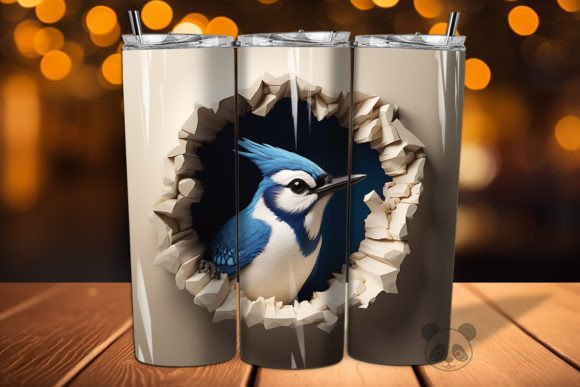
The Fox 3D Cracked Hole Tumbler Wrap is not merely a picture of a fox; it is a sophisticated composition engineered specifically for the curvature of a tumbler. When users purchase this item, they are receiving an instant digital download, usually in a ZIP file containing a high-resolution PNG. This file is pre-sized—often around 9.3 inches by 8.2 inches—to fit the precise dimensions of a standard 20 oz skinny tumbler. Understanding that this is a digital file only is crucial; no physical tumbler or printed paper is shipped. The value lies entirely in the intellectual property and the technical precision of the graphic design.
The Significance of 3D and Cracked Hole Effects
What sets this particular design apart from standard flat illustrations is the integration of 3D visual effects and the "cracked hole" aesthetic. In the realm of graphic design, creating depth on a two-dimensional surface requires a mastery of light, shadow, and perspective. The "cracked hole" effect simulates a breach in the surface of the tumbler, revealing a hyper-realistic wild animal—specifically a fox—emerging from within or peering out through the fracture.
This technique taps into a psychological fascination with illusion and depth. For the consumer holding the finished tumbler, the image does not look like a sticker; it looks like a window into a wild scene. The use of watercolor textures combined with sharp 3D rendering adds a layer of artistic sophistication. Watercolor brings softness, organic flow, and a hand-painted feel, while the 3D elements provide structure and impact. This hybrid style appeals to a broad audience, ranging from nature lovers who appreciate the wildlife motif to design enthusiasts who enjoy optical illusions.
Technical Specifications and File Integrity
For anyone looking to utilize the Fox 3D Cracked Hole Tumbler Wrap, understanding the technical specifications is vital for achieving a professional result. The design is typically provided as a PNG (Portable Network Graphics) file. PNG is the preferred format for sublimation because it supports transparency and lossless compression, ensuring that every pixel remains crisp regardless of how the image is manipulated.
The resolution of the file is perhaps the most critical factor. High-quality designs like this one are rendered at 300 DPI (Dots Per Inch). DPI is a measure of printing resolution; 300 DPI is the industry standard for high-quality print work. If a file were only 72 DPI (standard for web screens), printing it on a tumbler would result in a blurry, pixelated mess. By providing a 300 DPI file sized at approximately 9.3 x 8.2 inches, the designer ensures that when the image is printed at full size, the details of the fox's fur, the watercolor splashes, and the cracked texture remain sharp and defined.
Furthermore, the concept of a seamless pattern often accompanies these designs. While a single wrap covers the main body of the tumbler, seamless patterns allow crafters to extend the design indefinitely. This is particularly useful if a maker is working with tumblers of varying sizes or wants to create a continuous background effect without visible seams or awkward cuts. The "Wild Animal 3D seamless pattern" variation allows for infinite tiling, giving the creator flexibility in how they position the focal point of the fox.
Practical Application in Modern Crafting and Business
The availability of instant digital downloads like the Fox 3D wrap has democratized the merchandise industry. In the past, creating a custom tumbler required hiring a graphic designer, waiting for proofs, and paying high setup fees. Today, a small business owner can purchase a license for a design, download it immediately, and begin production within minutes. This agility is essential in modern e-commerce, where trends shift rapidly.
Consider the workflow of a typical Etsy seller or local craft fair vendor. They might identify a trend involving "wild animals" or "3D optical illusions." By acquiring the Fox 3D Cracked Hole Tumbler Wrap, they can instantly capitalize on this trend. The process involves:
- Purchasing and Downloading: The user buys the ZIP file and extracts the high-res PNG.
- Mirroring the Image: A crucial step often overlooked by beginners is mirroring (flipping horizontally) the image before printing. Since the design is transferred face-down onto the tumbler, failing to mirror it will result in a reversed image.
- Printing: Using a sublimation printer with specialized ink, the design is printed onto sublimation paper.
- Wrapping and Pressing: The paper is wrapped tightly around the 20 oz skinny tumbler and secured with heat-resistant tape. It is then placed in a tumbler press at the correct temperature and time settings.
- Revealing: Once cooled, the paper is removed to reveal the permanent, vibrant 3D fox design.
This streamlined process highlights the practical relevance of digital assets. They serve as the bridge between creative vision and physical reality. For educators teaching vocational skills in graphic arts or manufacturing, these files serve as excellent case studies for discussing resolution, color management, and the physics of heat transfer.
Clarifying Common Misunderstandings
Despite the popularity of sublimation, several misconceptions persist among newcomers. One common assumption is that these wraps work on any type of cup. In reality, sublimation only works on materials with a polymer coating or high polyester content. A standard ceramic mug or a stainless steel tumbler without a specific sublimation coating will not accept the ink. The Fox 3D Cracked Hole Tumbler Wrap is designed specifically for sublimation blanks, which are widely available but distinct from regular drinkware.
Another frequent point of confusion involves the "instant download" aspect. Some buyers expect a physical product to arrive in the mail. It is important to emphasize that the transaction is purely for the digital file. There is no shipping time, no packaging waste, and no physical inventory to manage. This makes it an eco-friendly option for digital creators, though it does require the buyer to have their own equipment (printer, press, and blanks) to realize the final product.
Additionally, there is often confusion regarding licensing. While the file is purchased for personal use or sometimes for small commercial use (depending on the specific shop's terms), it does not grant ownership of the artwork itself. You cannot resell the digital PNG file as your own design. You are selling the physical tumbler created using the design, not the design file itself. Respecting these intellectual property boundaries is essential for maintaining a healthy creative economy.
The Role of Wildlife and Nature in Design Trends
The choice of a fox—a wild animal—for this 3D design is not accidental. Nature-themed imagery consistently ranks high in consumer preferences for home goods and accessories. Animals evoke emotions of freedom, beauty, and connection to the outdoors. The "Wild Animal watercolor" style adds a touch of elegance and softness that balances the ruggedness of the "cracked hole" effect. This duality makes the design versatile; it can appeal to someone looking for a cute, artistic accessory or someone wanting a bold, statement piece.
In the context of daily life, these tumblers serve more than just a functional purpose of holding beverages. They are expressions of identity. Carrying a tumbler with a stunning 3D fox emerging from a crack signals an appreciation for art, nature, and unique style. For businesses, offering such distinctive designs helps differentiate their products in a saturated market. Instead of generic logos, they offer wearable (or carry-able) art.
Conclusion: The Intersection of Art and Technology
The Fox 3D Cracked Hole Tumbler Wrap represents more than just a file to print; it is a testament to the power of digital distribution and modern manufacturing techniques. It illustrates how high-resolution digital art (300 DPI PNGs) can be transformed into tangible, durable goods through sublimation. By understanding the technical requirements—such as mirroring images, using the right substrates, and appreciating the value of seamless patterns—creators can unlock the full potential of these designs.
Whether you are a seasoned sublimation expert looking to expand your portfolio with trending 3D wildlife motifs, or a beginner eager to learn how digital files translate into physical products, this design offers a perfect starting point. It bridges the gap between the virtual world of instant downloads and the tactile satisfaction of holding a beautifully customized object. As technology continues to advance, the line between digital art and physical utility will only blur further, making tools like the Fox 3D wrap essential components of the modern creative toolkit.
Ultimately, the success of such a project relies on the synergy between the quality of the digital source file and the skill of the maker. With the right knowledge and the right assets, anyone can turn a simple download into a masterpiece of modern craftsmanship.