Mastering 3D Sublimation: The Octopus from Cracked Hole Design for Skinny Tumblers
The landscape of custom drinkware has evolved significantly with the advent of high-resolution sublimation printing. Among the most captivating trends in this space is the integration of three-dimensional visual effects on two-dimensional surfaces. A prime example of this innovation is the Octopus from Cracked Hole 3D Tumbler design. This specific aesthetic leverages optical illusions and advanced layering techniques to create the appearance of a sea creature emerging from a fractured surface, offering a depth and realism that flat graphics simply cannot achieve. For creators, business owners, and hobbyists looking to elevate their product offerings, understanding the nuances of this design style is essential for producing high-quality, marketable goods.
The Mechanics of 3D Visual Depth in Sublimation
To appreciate the value of a design like the Octopus From Cracked Hole 3D Tumbler Background, one must first understand how 3D effects are simulated in sublimation printing. Unlike traditional vinyl cutting or screen printing, sublimation allows for full-color, photographic-quality images to be infused directly into the polymer coating of a tumbler. The "3D" effect in these designs is not physical relief but a masterful manipulation of light, shadow, and perspective within the digital file.
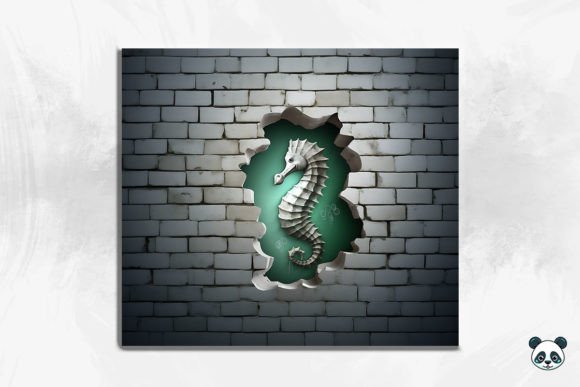
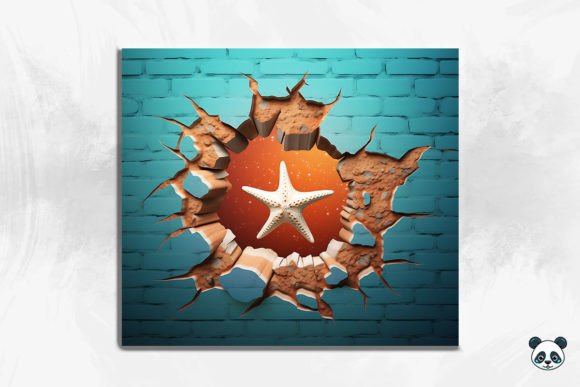
The "cracked hole" motif relies heavily on realistic shading around the edges of the fracture. By darkening the perimeter of the break and adding highlights that mimic the refraction of light through glass or ceramic shards, the designer creates a convincing illusion of depth. When an octopus is positioned behind or emerging from this breach, the interplay between the creature's tentacles and the jagged edges of the "hole" tricks the human eye into perceiving multiple layers. This technique transforms a standard 20 oz Skinny Tumbler into a dynamic piece of art that appears to have an internal world visible through the exterior wall.
Technical Specifications and File Integrity
Successful execution of such a complex design begins with the source file. High-quality digital downloads, such as the instant PNG files available for this niche, typically adhere to strict technical standards. A resolution of 300 DPI (dots per inch) is the industry benchmark for sublimation. This ensures that when the image is printed, there is no pixelation, blurring, or loss of detail, which is critical when rendering fine textures like the suction cups on an octopus or the sharp edges of a cracked surface.
The dimensions of the file are equally important. For a standard skinny tumbler wrap, the artwork usually needs to cover a specific area, often approximately 9.3 inches by 8.2 inches. This sizing accounts for the circumference of a 20 oz straight tumbler while leaving a small margin for seam alignment. Using a file that is too small and stretching it to fit will degrade the image quality, ruining the 3D illusion. Conversely, a file sized correctly at 300 DPI ensures that every watercolor texture and shadow gradient remains crisp after the heat press process.
Workflow Integration for Creators and Businesses
Incorporating the Sea Animal 3D seamless pattern or specific wrap designs into a production workflow requires more than just a printer and a heat press; it demands a understanding of color management and substrate preparation. Professionals utilizing these digital downloads must ensure their color profiles (typically sRGB for design and CMYK conversion for printing) are calibrated to match the vibrancy of the original PNG. The deep blues and teals associated with sea animal themes can shift dramatically if the printer settings are not optimized, potentially dulling the contrast needed for the 3D effect to pop.
For business owners, the advantage of using pre-designed Instant Digital Download PNG files lies in efficiency and consistency. Creating a realistic 3D cracked effect from scratch requires advanced skills in Photoshop or Illustrator, including knowledge of blending modes, displacement maps, and lighting effects. By sourcing high-quality assets, creators can focus on the physical production aspects—such as tumbler cleaning, wrapping precision, and heat press timing—rather than spending hours on graphic design. This separation of concerns allows for faster turnaround times and a broader catalog of products.
Application Techniques for Seamless Results
Applying a Straight Tumbler Wrap PNG featuring a 3D illusion requires meticulous attention to detail during the pressing phase. The alignment of the seam is critical; if the "crack" in the design does not align perfectly where the paper overlaps, the illusion of continuity is broken, and the 3D effect fails. Many professionals use heat-resistant tape to secure the sublimation paper tightly against the tumbler, ensuring no air pockets remain. Air pockets can cause ghosting or white spots, which are particularly noticeable in the dark shadows of the cracked hole effect.
Furthermore, the choice of tumbler blank matters. While the design is marketed for skinny tumblers, the quality of the polymer coating on the blank determines the final color saturation. A high-quality coated stainless steel tumbler will yield vibrant colors that make the octopus appear lifelike. Lower quality blanks may result in a washed-out appearance, diminishing the impact of the watercolor textures and the depth of the 3D background.
Aesthetic Versatility and Market Appeal
The appeal of the Sea Animal tumbler wrap extends beyond simple novelty. The oceanic theme resonates with a wide demographic, from marine biology enthusiasts and beach lovers to individuals who appreciate the calming aesthetics of watercolor art. The octopus, in particular, is a symbol of intelligence and mystery, making it a popular subject for custom merchandise. When combined with the dramatic "cracked hole" narrative, the design tells a story of discovery, as if the viewer is peering into the depths of the ocean.
This versatility allows creators to target various market segments. For educators and researchers, these tumblers can serve as engaging tools for discussing marine life or even as unique gifts for conference attendees. For retail businesses, the uniqueness of the 3D effect provides a competitive edge in crowded marketplaces like Etsy or local craft fairs. Consumers are increasingly drawn to products that offer a visual twist, and a tumbler that looks like it contains a living creature offers a conversation starter that plain colored cups cannot.
Expanding the Concept: Patterns and Backgrounds
Beyond the single-wrap application, the concepts behind the Octopus from Cracked Hole 3D Tumbler can be expanded into Sea Animal 3D seamless patterns. These patterns allow for the creation of repeating backgrounds that can be used on larger surfaces or different product types, such as mouse pads, tote bags, or fabric. The seamless nature of these designs ensures that when tiled, there are no visible breaks or mismatches, maintaining the integrity of the underwater scene.
Designers can also experiment with variations of the theme. While the octopus is a standout subject, the "cracked hole" technique applies equally well to other sea animals like sharks, jellyfish, or sea turtles. By swapping the central subject while maintaining the high-quality 3D background infrastructure, creators can build an entire collection of cohesive products. This approach maximizes the utility of the initial design investment and caters to diverse customer preferences within the broader sea animal niche.
Considerations for Digital Asset Usage
When utilizing digital assets like the Sea Animal png or specific tumbler wraps, it is vital to respect licensing terms and usage rights. Most instant downloads are intended for personal use or limited commercial use, depending on the seller's policy. Understanding these boundaries protects creators from legal issues and supports the artists who invest time in creating these complex 3D illusions. Additionally, users must recognize that these are digital files only; no physical tumblers or printing services are included in the download. The burden of production lies entirely with the purchaser.
Storage and organization of these digital files are also practical considerations. High-resolution PNG files can be large in size. Maintaining an organized library of assets, categorized by theme (e.g., Sea Animal, 3D design, watercolor), ensures that creators can quickly locate the right file for a project. Backing up these files is crucial, as re-downloading can sometimes be problematic if a shop closes or a listing is removed.
The Future of 3D Sublimation Designs
As printing technology continues to advance, the line between digital art and physical reality will blur further. The current generation of 3D tumbler wrap designs represents a significant step forward in consumer customization. We are moving away from static logos and simple text toward immersive visual experiences. The success of designs like the octopus emerging from a cracked surface indicates a strong market demand for creativity and depth.
For those entering the sublimation business, mastering these types of designs offers a pathway to differentiation. It is not enough to simply print images; the goal is to create products that evoke emotion and wonder. By leveraging high-quality, professionally designed assets that utilize 3D illusions, creators can deliver products that stand out on shelves and in online galleries. The combination of technical precision in printing and artistic flair in design selection forms the foundation of a successful modern sublimation enterprise.
In conclusion, the Octopus from Cracked Hole 3D Tumbler phenomenon illustrates the powerful synergy between digital artistry and physical manufacturing. It highlights the importance of high-resolution assets, precise application techniques, and a deep understanding of visual perception. Whether for a hobbyist creating a gift or a business owner scaling a product line, the principles underlying these 3D sea animal designs provide a robust framework for innovation in the custom drinkware industry. As the market evolves, the ability to adapt and utilize such sophisticated visual tools will remain a key driver of success.